At a Glance
- Topics
- Ask what kind of lesson you booked; Keep the introduction at home simple; Confirm what you need to bring
- Program Details
- Follow the official links on each listing for ages, session dates, fees and registration.
- Guide Updated
01
Ask what kind of lesson you booked
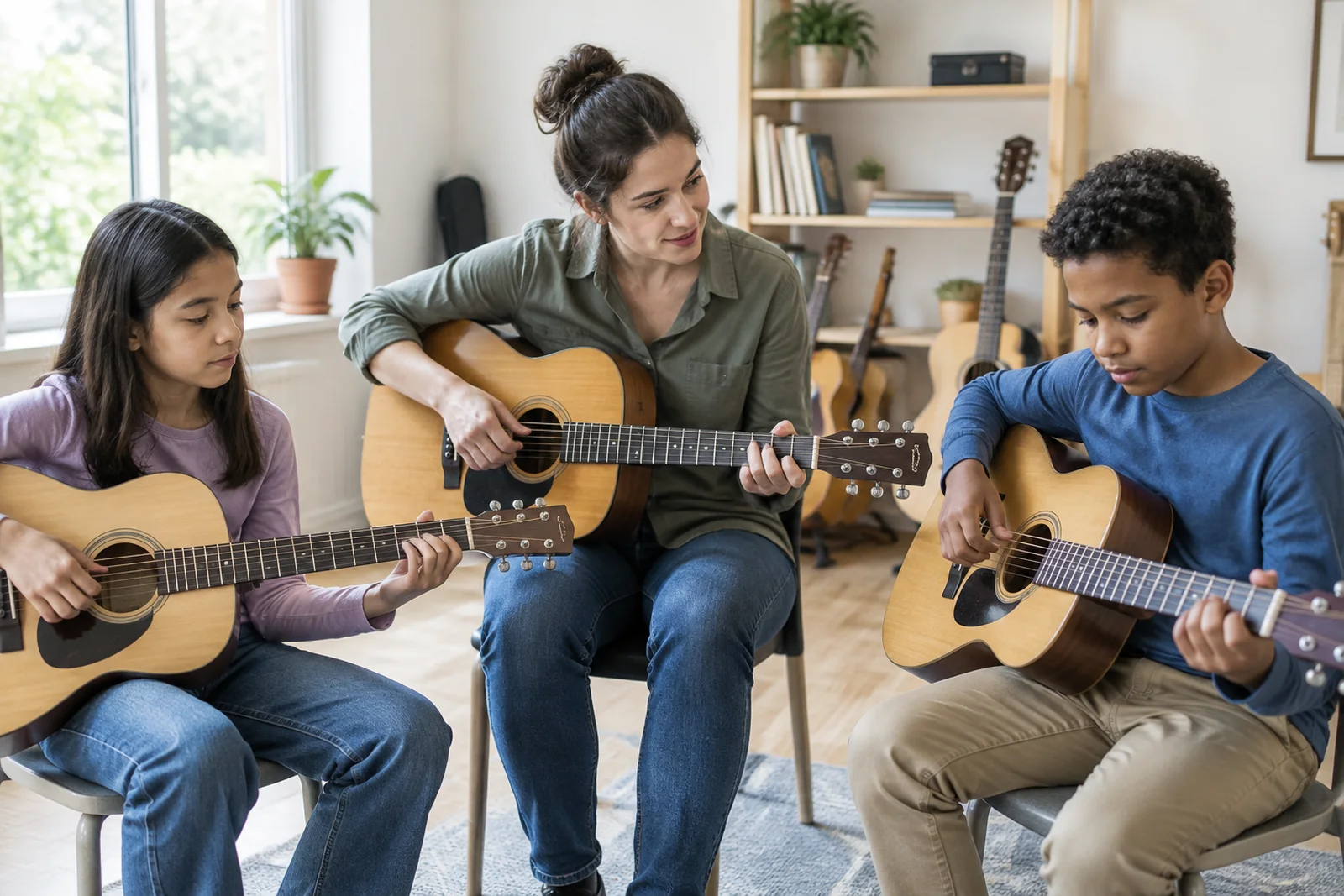
Music lessons can mean different things. A group for young children might use songs, movement, and shared instruments, while an individual lesson may focus on a particular instrument or voice. Before you arrive, confirm the format, lesson length, and whether your child needs any previous experience. Ask what the teacher hopes to learn during the first meeting.
When comparing New Jersey music lessons, read beyond the instrument name. Find out whether the first appointment is an introduction, a placement meeting, or a regular lesson. Knowing the plan helps you describe it honestly to your child and avoids arriving with equipment or expectations that do not match the session.
02
Keep the introduction at home simple
Tell your child they will meet a teacher, try some musical activities, and learn how lessons work. They do not need to impress anyone or arrive knowing how to read music. If they are nervous, ask what they wonder about. A short answer about where you will wait may help more than a speech about how much fun it will be.
You can listen to a favorite song together or clap a simple rhythm if your child enjoys that. Skip last-minute drills and do not turn the car ride into an audition. For children exploring elementary-age classes, having a say in the instrument or a song they like can give the teacher a useful place to begin.
03
Confirm what you need to bring
Ask the teacher about instruments, books, and other materials before buying anything. Some settings provide an instrument for the lesson, while others expect students to bring one. If you already own an instrument, ask whether it is suitable and whether the teacher wants to check it. Size, condition, and setup can affect how comfortable it is to play.
Bring any requested materials and information about previous experience, even if that experience was informal. Mention hearing, movement, sensory, or learning needs that may affect participation. Ask about the entrance, parking, bathrooms, and waiting area if the location is unfamiliar. A little arrival planning leaves more room for your child to settle in without feeling rushed.
04
Expect the teacher to start small
The teacher may ask your child to copy a rhythm, listen for changes in sound, sing a short phrase, or explore part of an instrument. The exact activities depend on the lesson. These early tasks help the teacher notice what your child understands and how they respond to directions. They are not a verdict on musical ability or future progress.
A beginner might spend time learning how to sit comfortably, hold an instrument, or make a controlled sound. That can look less exciting than playing a recognizable tune, but it gives the teacher something concrete to build on. If you want to observe before enrolling, the guide to trying a class before committing covers useful questions to ask.
05
Find your role during the lesson
Ask whether parents stay in the room, watch from another area, or return at the end. There is no need to guess. The right arrangement depends on the setting, your child's needs, and the teacher's approach. If separation is difficult, discuss a plan ahead of time instead of surprising your child at the classroom door.
If you stay, let the teacher give instructions and leave room for your child to answer. Jumping in with corrections can make it harder to see what your child understands independently. You can still share important information and offer reassurance when needed. Before leaving, ask how the teacher will pass along practice notes and how parents should raise questions between lessons.
06
Leave with a small practice plan
Before the lesson ends, ask what your child should try at home and what a successful attempt looks like. Request a demonstration if the instructions are unclear. A note such as practice the opening pattern slowly is easier to use when you know the pattern, the starting position, and what the teacher wants your child to notice.
Ask the teacher to suggest a manageable routine rather than choosing a long practice target yourself. Keep materials easy to reach and offer a calm reminder at a predictable time. If you do not yet have a suitable instrument at home, discuss options before committing to a purchase or rental. Be honest about the space, noise limits, and support your household can manage.
07
Judge the fit without rushing progress
Afterward, ask what your child tried and whether anything felt confusing. You do not need to ask for a performance in the car or quiz them on every instruction. Notice whether the teacher was patient, explained tasks clearly, and responded respectfully to mistakes. A good first visit can include awkward sounds, pauses, and a child who needs time to warm up.
Check the practical fit too. Review cancellation rules, missed-lesson policies, material costs, and the weekly schedule. If you are arranging lessons around school, the fall sign-up guide can help you think through late summer planning. Give the routine a chance, but talk to the teacher if confusion or distress persists rather than assuming your child simply lacks musical interest.
Questions parents ask
Does my child need an instrument before the first lesson?
Not always. Ask the provider what is supplied and what is required at home. Check size, setup, and rental or purchase options with the teacher before spending money. Requirements vary by instrument and lesson format.
What if my child will not play or sing?
Tell the teacher if your child needs time to observe. A smaller task or a quieter introduction may help. Avoid forcing a performance. Ask what the teacher noticed and agree on a next step before deciding the lesson was unsuccessful.
Do I need musical experience to help at home?
You do not need to teach the material yourself. Ask for clear practice instructions and help your child make time and find the materials. If something sounds wrong or feels confusing, note the question for the teacher rather than guessing at a correction.
Should we expect a song in the first lesson?
Maybe, but that is not a useful requirement. Some first lessons include a simple tune, while others focus on listening, posture, or making a sound. Look for understandable instruction and a manageable next step instead of a particular performance.